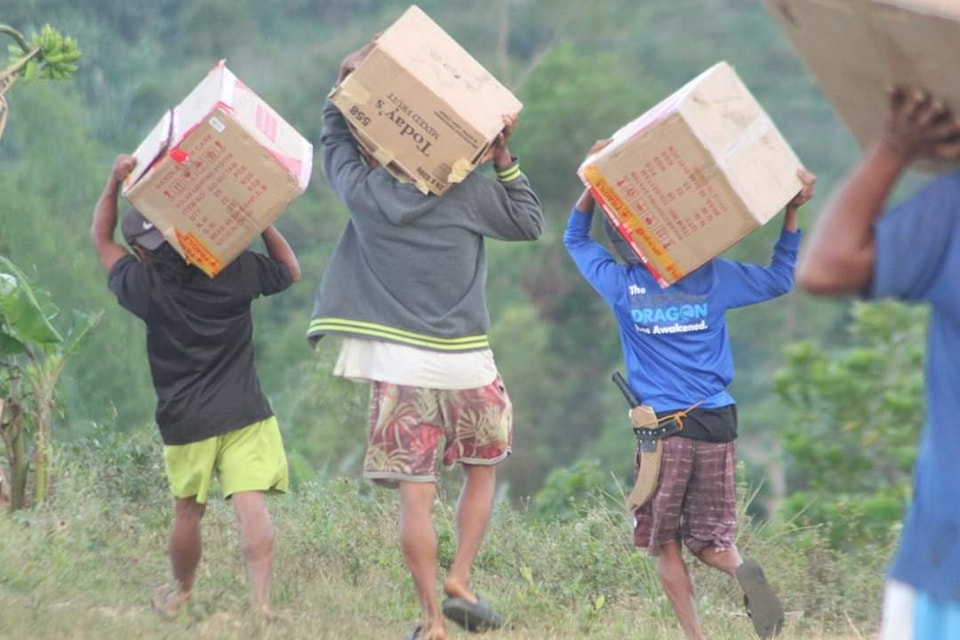
How grateful are you in life?
Some people question their place in the world, others complain about having only the bare minimum. But have you ever lived in a community where even your “bare minimum” is considered a dream?
In the remote hinterlands of Himamaylan City in Negros Occidental lies Sitio Madaja, a community once known as a stronghold of communist rebels. Its residents have long been deprived of vital government services and support, primarily due to its isolated location.
Located about 15 kilometers from the city proper, the community is part of Barangay Buenavista and is officially classified as a geographically isolated and disadvantaged area (GIDA). Within a cluster of around 50 houses known locally as “Minoro,” over 300 children live—many of whom are in dire need of educational support.
To access education, these children walk nearly two hours daily to reach the nearest schools: Sibucao Integrated School and Tiqui Integrated School. Despite the physical and logistical hardships, they persist—carrying with them the hope for a better future.
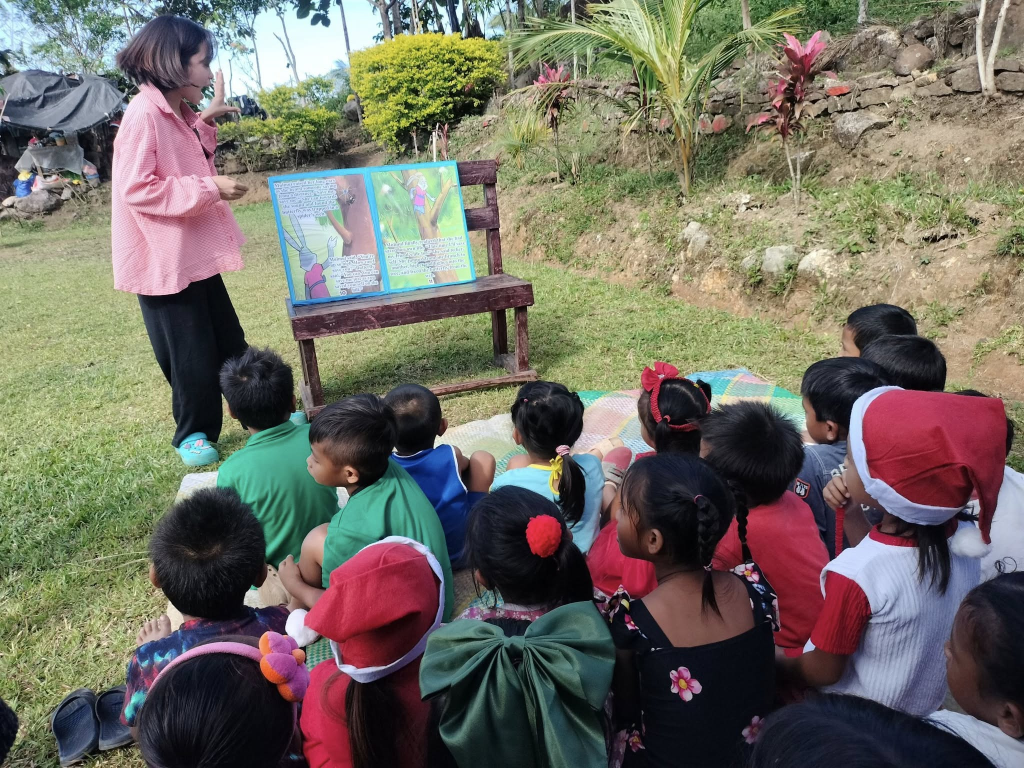
The progress of the community is shaped by a complex web of challenges—among them, limited access to healthcare and quality education, the absence of school facilities, and a lack of capacity-building initiatives for parents and community members that support children’s holistic development.
Inadequate road infrastructure, the absence of electricity, and the general lack of basic services further compound the situation. These obstacles are largely rooted in Madaja’s classification as a Geographically Isolated, Disadvantaged, and Conflict-Affected Area (GIDCA).
Social disparities in Madaja extend across multiple fronts: education, teenage pregnancy, health and well-being, gender equality, peace and security, livelihood, and infrastructure. The lack of connectivity—both physical and institutional—deepens the divide and leaves communities in survival mode.
In previous years, Himamaylan City’s hinterlands have drawn headlines due to recurring armed conflicts that have displaced thousands of residents, forcing families to abandon their homes and farms in search of safety.
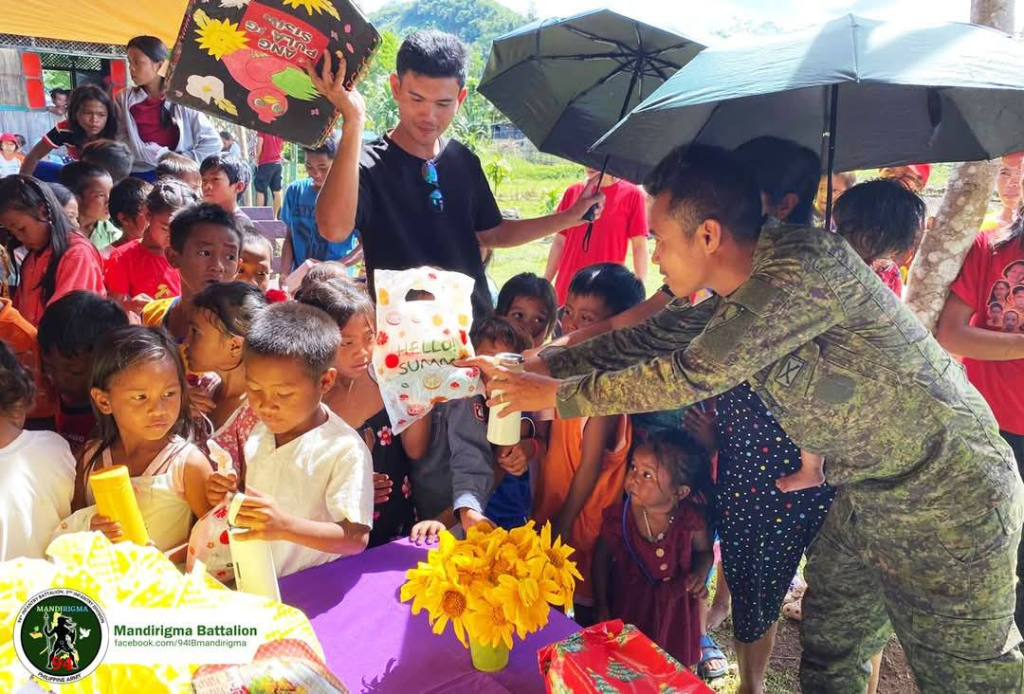
Barangay Buenavista, where Sitio Madaja is located, remains at the heart of these clashes. This prolonged instability has made residents—especially the youth—vulnerable to recruitment by insurgent groups seeking to exploit the vacuum left by weak state presence in a form of services.
As the 94th Infantry Battalion puts it, “Where the road ends, insurgency begins.” In Madaja, that road ended long ago—but the community’s hope for lasting peace and meaningful development endures.
Before 2021, when it was declared a conflict-free community, Sitio Madaja was claimed to be highly vulnerable to the influence of Communist rebels.
Due to years of conflict, the community was left behind in terms of progress and development, with limited access to government services and assistance. Sitio Madaja is primarily inhabited by members of the Bukidnon Magahat Indigenous Peoples (IPs), who have long endured various hardships.
Moreover, Indigenous Peoples (IP) children have long faced challenges in accessing quality education. For them, school represents not just a place of learning, but also a vital space for social interaction and growth.
However, the establishment of a school within their community remained out of reach for years due to persistent challenges. Fortunately, this long-held dream has finally been fulfilled. An annex school has now been established under the supervision of Sibucao Integrated School.
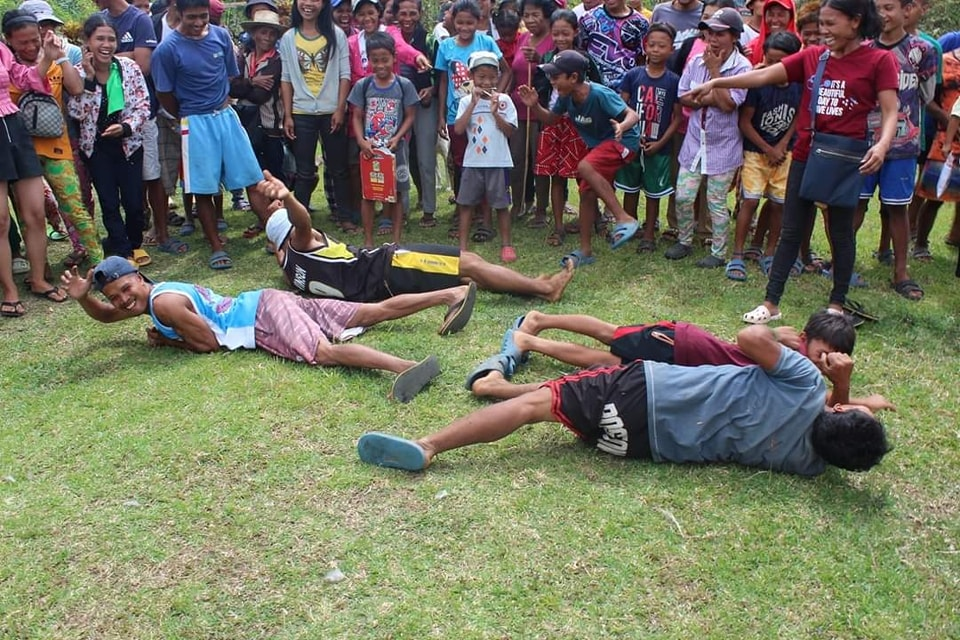
Presently, Madaja now has make-shift classrooms in the community offering Kinder to Grade 4 levels with 3 permanent teachers and 2 volunteer teachers.
The experiences of teachers at this school reflect those of many educators in GIDAs nationwide. Poverty is evident in the school, among its students, and in the community. The school lacks essential teaching and learning resources.
Several students are slow learners, while others cannot read at all. The families of the students are financially challenged; some skip meals and cannot afford to purchase school supplies for their use. For some learners in higher grade levels, they need to walk for several kilometers crossing mountains and rivers to get to the school.
Transformation
In 2022, the Association of Negros Producers (ANP), Hope Builders Organization Negros Island Inc. (HBONI), the Provincial Government, and the 94th Infantry Battalion launched a multi-stakeholder initiative aimed at improving the community’s environment through education and empowerment, while upholding human rights and honoring indigenous structures.
Listening to the concerns sectors crucial community development is important to gather the information needed to foster their convergence.
From a livelihood perspective championed by the ANP, Madaja takes pride in its abundance of “tikog”—a grass that thrives in swampy areas, known for its sturdy, jointless, triangular stems. Beyond its agricultural value, tikog offers the community a sustainable source of income.
The ANP aided the village’s weavers in creating new designs for tikog products, opening fresh opportunities for the community to generate income from local resources and improve their living standards by providing greater exposure for their crafts.
Meanwhile, the initiative by the Provincial Peace and Order Council (PPOC) of the Negros Occidental Provincial Government persists in fostering development, reinstating government services, and linking local governments with isolated communities to promote unity and peace. In the same way, the HBONI serves to offer educational services and values formation sessions to local children and youth.
The community’s tikog-made crafts was showcased at the annual Negros Trade Fair in Manila, which implied that the community can produce and sell their products as a means of income to help support their children’s education.
It also suggests that the community can be self-sufficient and resourceful in mobilizing its own resources. Furthermore, the involvement of both parents and children in the community engagement initiative established by the partners demonstrates a beneficial shift in their confidence and trust levels concerning individuals and organizations beyond their own community.
Addressing Madaja’s needs requires sustained engagement from partners and stakeholders. Yet, bridging the community’s services and rights is a potential solution to end insurgency, illiteracy, unemployment, and deprivation. Consequently, it is important to develop farm-to-market roads to offer services to the community and to revisit the Last Mile Schools Program of the Department of Education.

When the Madaja community has accessible roads, it opens the possibility for potential donors, businesses, educational institutions, and health care services to establish themselves within or around the community, given Madaja’s location on the border of Negros Occidental and Negros Oriental.
Multi-stakeholders approach
These factors are necessary to strengthen the multi-stakeholder approach in community development. By implementing a range of community projects, partners could play a role in empowering the community, while local government units (LGUs) could assist in sustaining these initiatives.
The presence of HBONI’s Project Tikang, Retooled Community Support Program (RCSP), BALIK-Salig project, in the community significantly affects the locals’ ways of living.
The collaborative projects of non-government organizations and local government units have produced success stories that highlight effective strategies for boosting children’s and youth’s involvement in education, promoting community engagement in tikog weaving, organizing a weavers’ association, and enhancing stakeholder participation in community outreach initiatives.
In many hinterland communities, poverty is not just a matter of financial lack—it’s about the absence of long-term and sustainable opportunities. These areas often receive short-term aid, but what they truly need are livelihood projects that can serve as lasting lifelines.
Over time, ragged political systems have conditioned people to rely on dole-outs, fostering a cycle of dependency. This must be replaced with one that values empowerment, investing in sustainable livelihoods that allow communities to thrive on their own terms.*
 Hope Builders Organization Negros Island Inc.
Leave a comment